What Is Appointeeship? A Simple Guide for Families, Carers & Professionals Supporting Vulnerable People
Please Share:


Introduction: What This Guide Will Cover
If you’re caring for someone who cannot manage their own finances—perhaps due to a learning disability, dementia, or mental health condition—you may have heard of the term appointeeship. But what does it really mean? Who can be an appointee? When is it needed? And how can a corporate appointee (like us) make life easier for you?
In this article, we’ll explain:
- What appointeeship is and how it works
- The difference between individual and corporate appointees
- Who can act as an appointee, and when it’s needed
- How we support carers, families, and professionals
- What appointeeship does not cover
✅ What Is Appointeeship?
Appointeeship is a legal arrangement set up by the Department for Work and Pensions (DWP). It allows a trusted person or organisation to manage someone’s welfare benefits if they are unable to do it themselves due to mental incapacity or serious health conditions.
The person or organisation chosen is known as the appointee.
Once approved, the appointee is responsible for:
- Collecting benefit payments (e.g. Universal Credit, PIP, ESA, DLA)
- Paying essential bills like rent, gas, electricity, council tax, and care home fees
- Providing a regular personal allowance to the individual
- Making sure the person’s welfare benefit payments are used safely and in their best interests
🧠 Who Might Need an Appointee?
People who may need an appointee include those who:
- Have a learning disability that affects understanding or communication
- Are living with dementia or Alzheimer’s
- Have experienced a stroke or brain injury
- Suffer from a mental health condition affecting financial decisions
- Have other cognitive impairments that limit their ability to manage money
Example: Mary is 83 and lives in a care home. She receives Attendance Allowance and Pension Credit but struggles to understand bills or bank statements due to dementia. A corporate appointee is appointed to make sure her rent is paid, her benefits are received, and she gets a weekly allowance for toiletries and snacks.
👤 Who Can Be an Appointee?
An appointee must be:
- Aged 18 or older
- Able to act responsibly and in the person’s best interest
- Approved by the DWP after an assessment
There are two types of appointees:
- Individual Appointee – A trusted family member, friend, or carer.
- Corporate Appointee – A professional organisation that manages benefits safely and professionally.
🔎 When Is a Corporate Appointee Needed?
More suitable in situations where:
- The individual has no suitable family or friends
- The carer is overwhelmed
- The person lives in supported accommodation
- There are complex financial or safeguarding concerns
- The local authority recommends it
“We often support individuals referred by social workers who feel that having an independent corporate appointee would reduce stress and ensure financial safety.”
🏛️ Can a Council or Social Worker Request an Appointee?
Yes. Local authorities frequently request corporate appointeeships during:
- Best interest meetings
- Care plan reviews
- Safeguarding assessments
Examples:
- A GP refers a patient with cognitive decline
- A social worker identifies financial abuse risk
- A housing officer notices unpaid rent
🤝 What Does a Corporate Appointee Do?
- Receive and manage benefit payments
- Pay rent, bills, and care fees
- Distribute weekly personal spending money
- Keep financial records and offer reports
- Coordinate with families and professionals
- Report changes in circumstances of the service user to the DWP
⚖️ What Appointeeship Does Not Cover
Appointeeship only applies to welfare benefits. It does not allow the appointee to:
- Manage employment income, pensions, or savings
- Handle debts or credit accounts
- Access personal bank accounts (unless specifically set up)
- Make legal decisions
- Control healthcare or lifestyle decisions
If broader control is needed, consider Court of Protection deputyship or Lasting Power of Attorney (LPA).
🧡 Why Appointeeship Matters
- Prevents missed payments or debts
- Guards against financial abuse
- Gives carers peace of mind
- Provides access to essential personal funds
- Ensures transparency and records
Conclusion
Appointeeship is about more than just handling money—it's about dignity, safety, and support.
If you're feeling unsure or overwhelmed, our team is here to help ensure vulnerable people receive the financial care they deserve.
For more information, please visit our blog and website. We also have an easy-read version of this article on our site.

What is Appointeeship?
Appointeeship is when someone helps you look after benefit money.

🧩 What This Guide is About
Some people find it hard to manage their money.
They may need help to:
- Get their benefit money
- Pay their bills
- Keep their money safe
This help is called Appointeeship.

✅ What is an Appointee?
An Appointee can be a person, like your Mum, or an organisation like Carepouch.
An Appointee can:
- make sure you get all the benefit money you should have
- make sure you pay for things like rent, bills and shopping
- keep your money safe
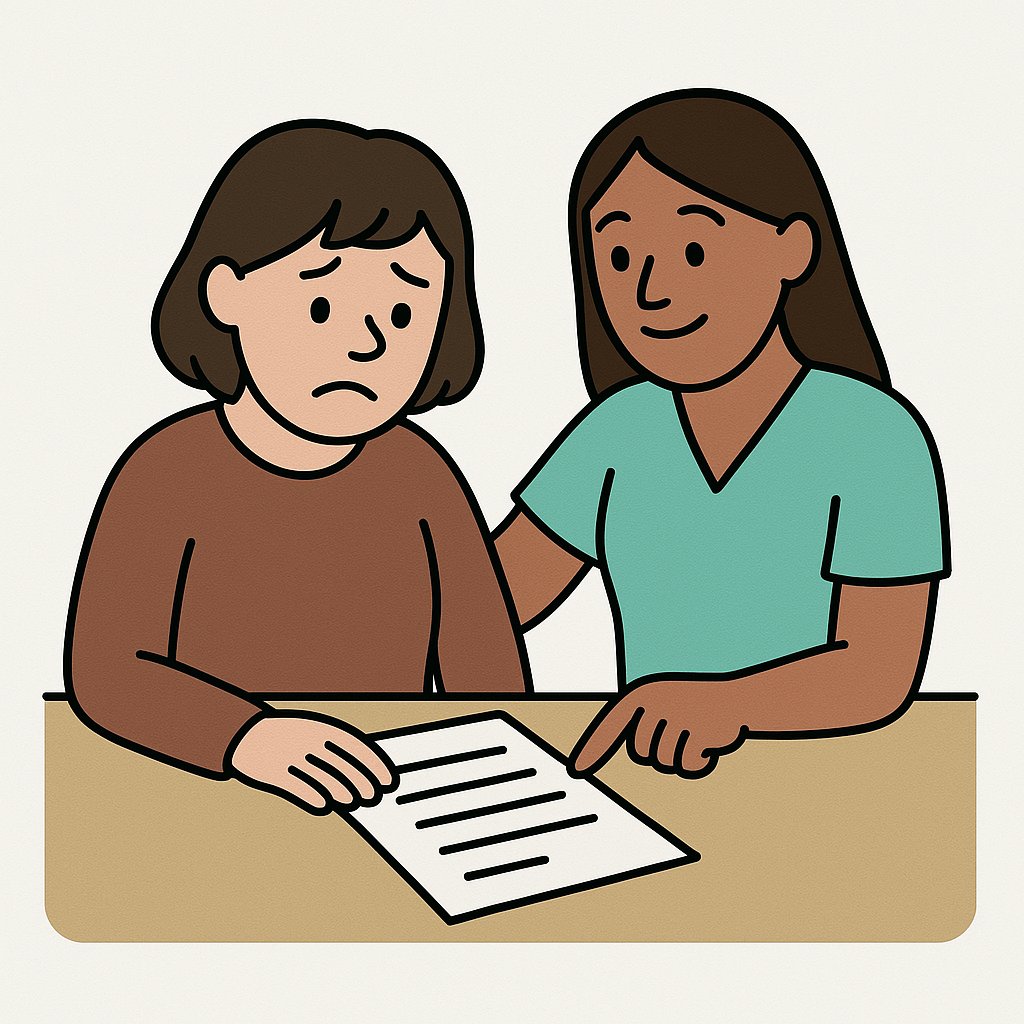
🛏️ When Do You Need an Appointee?
You may need an Appointee if:
- you find managing your benefit money hard
- you get confused about money, bills and costs
- you would like some help with your benefit money
- a professional like a social worker or doctor is worried about your safety around money
A social worker or doctor can help you get an Appointee to keep you safe.

🧾 What Can an Appointee NOT Do?
An Appointee cannot:
- Make health decisions for you
- Use your money for themselves
- Change legal papers (like a will)
- Control your savings or work income
- Tell you where to live or who to see
We are only here to help with your benefit money.

👀 Ben’s Story (An Example)
Ben is 67 and lives in a care home.
He gets benefits but forgets to pay bills.
Ben’s care home helped him get an Appointee. Now:
- His bills are paid
- He gets spending money each week
- His carers can see where the money goes
- Ben feels safe and happy

Appointeeship helps people who need support with their benefit money.
It helps you stay safe and in control.
If you need help, or know someone who does, we are here to help.
2288 people have read this article.
Please Share: